Restaurant Phone Reservations: How to Automate Bookings
Automate restaurant phone reservations to capture after-hours calls, stop no-shows with SMS alerts, and comply with Japan's October 2026 harassment mandate.

Contents
- How Automating Restaurant Phone Reservations Prevents Missed Revenue
- The Real Cost of Phone Interruptions During Peak Dining Hours
- How AI Phone Agents Sync with Table Ledgers and Calendars
- Handling Special Requests, Allergies, and Live Transfers
- Stopping No-Shows and Preventing Kasuhara Harassment Calls
- Pricing and Implementation for Restaurant Phone Automation
Missing phone reservations during lunch rushes, dinner peaks, and late-night hours costs restaurants direct revenue. Here is how to handle booking calls 24/7 without interrupting kitchen staff, pulling servers off the floor, or overworking your team.
How Automating Restaurant Phone Reservations Prevents Missed Revenue
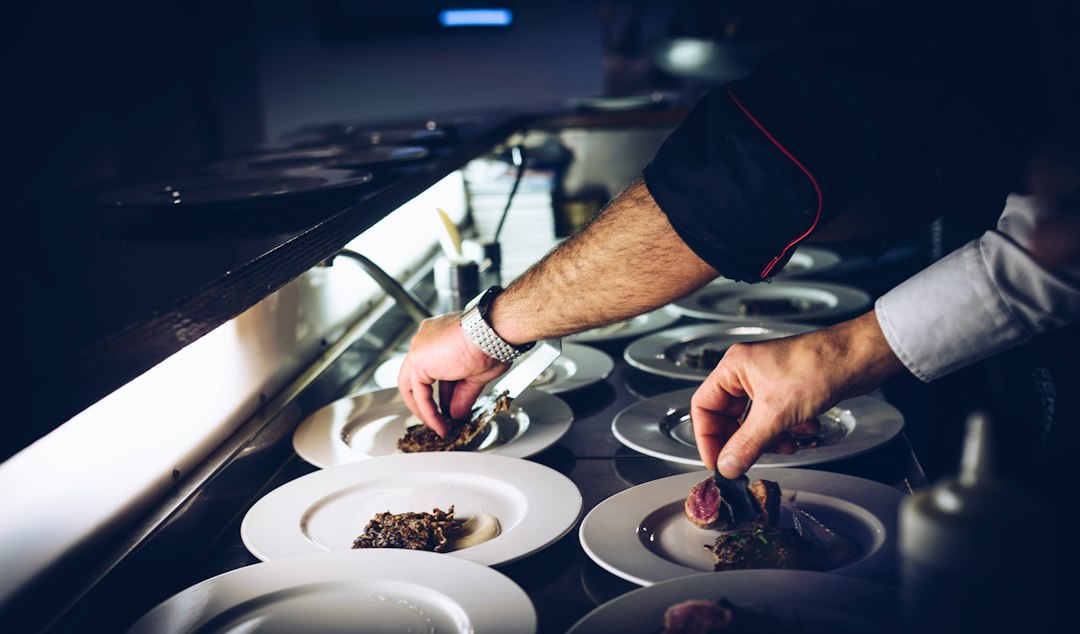
AI voice agents recognize speech in real time, check live table inventory, and confirm bookings during the call. They eliminate busy signals and take calls around the clock, even during peak rushes or long after closing.
During dinner and lunch rushes, floor staff take orders and deliver food while chefs focus on the line. When the phone rings, staff often cannot answer. Callers rarely wait; they hang up and book a competing restaurant.
Direct revenue loss also occurs outside business hours. Many diners call during late-night commutes, early mornings, or afternoon prep times. Older guests or those checking specific room availability often prefer calling over web forms.
An AI phone agent built for restaurants takes those calls automatically. It handles multiple simultaneous calls without busy signals, booking tables instantly.
The AI agent also detects the caller's language and replies in kind. It answers inbound international tourists in English, Chinese, or other languages without requiring multilingual staff on shift.
Taking reservations off your floor staff stops the constant ringing during service. Kitchen and dining teams can concentrate fully on preparing dishes and serving guests in front of them.
The Real Cost of Phone Interruptions During Peak Dining Hours
Answering phone calls during service delays food, interrupts hospitality, lowers diner satisfaction, and drives staff turnover. Even a two-minute call disrupts the pace of the entire floor.
When the phone rings while servers take orders or run hot plates, they must make a bad choice: ignore the call and lose a new reservation, or answer it and make the guest at the table wait.
Answering the phone stalls kitchen output. Plated hot food goes cold, cold dishes warm up, and sauces separate at the pass. Most kitchen timing errors stem from service bottlenecks.
The mental strain on staff is equally damaging. Juggling registers, bussing, orders, and running food leaves no room for unexpected phone calls. Divided attention triggers mistakes.
Mishearing dates or table sizes creates double-bookings and severe customer complaints later. Staff face the brunt of that stress, which lowers retention in an already tight labor market.
Removing phone duties from floor staff protects food quality and keeps staff on the team. It lets your team focus on table turns and dining hospitality.
How AI Phone Agents Sync with Table Ledgers and Calendars
The AI agent checks table availability in real time through direct API connections to your reservation ledger or calendar. It updates inventory and confirms bookings during the live call.
When a customer calls, the AI asks for the date, time, party size, and dining preference. If a caller requests a table for four this Friday at 7:00 PM, the system queries your reservation tool instantly.
If a table is open, the AI reserves it and collects the guest's name and contact number. If full, it proposes alternatives naturally: "We are fully booked at 7:00 PM, but we have an opening for four at 6:00 PM or 8:30 PM."
Once confirmed, the reservation details log immediately into Google Calendar, Outlook Calendar, or your CRM. Staff never have to copy details by hand.
The AI agent then sends an immediate confirmation via SMS or LINE. Having the date, party size, and cancellation policy in writing prevents misunderstandings and deters no-shows.
The Voisu team manages custom setup and system integrations, so your staff does not need to write code.
Handling Special Requests, Allergies, and Live Transfers
AI agents follow your exact operating rules. When a request requires human judgment, the system summarizes the call and transfers it to your team immediately.
Standard bookings complete automatically. Calls with complex variables route to human staff according to your rules. The AI agent acts only within the boundaries you set, and you decide which actions require staff approval.
Common examples include severe food allergies, full restaurant buyouts, custom multi-course menus, and fixed-budget private events. When the AI detects these requests, it explains that a manager will assist.
Callers can also ask to speak with a human at any point. The AI never forces callers into a closed loop.
During a live transfer, your staff member's screen displays a real-time transcript summary and key details. The guest does not need to repeat themselves.
If your staff cannot answer because the floor is busy, the AI collects the guest's inquiry, transcribes it, and logs a callback task in your system.
Stopping No-Shows and Preventing Kasuhara Harassment Calls
Every call is automatically recorded, transcribed, and analyzed for customer sentiment, reducing abusive calls and no-shows. In Japan, customer harassment (kasuhara) countermeasures became mandatory for all employers on October 1, 2026, under the revised Labor Policy Comprehensive Promotion Act (労働施策総合推進法).
Aggressive callers and abusive complaints damage employee mental health. Using an AI phone agent as the first point of contact shields staff from hostile callers and supports customer harassment prevention.
Voisu includes emotion analysis and customer satisfaction scores on every call at no extra cost. Managers can search call logs to spot elevated caller agitation or unreasonable demands.
Transcripts automatically mask personal details, complying with Japan's Act on the Protection of Personal Information (個人情報保護法) and the Specified Commercial Transactions Act (特定商取引法). Objective records give you verifiable evidence if legal issues or disputes arise.
The system also curbs no-shows. It captures caller ID and sends an instant SMS confirmation, establishing mutual written agreement on the booking. You can also route repeat no-show numbers to specific handling paths.
Pricing and Implementation for Restaurant Phone Automation
Voisu charges no monthly base fee. Incoming AI calls start from ¥25 per minute, compared to a typical human call center operator cost of about ¥105 per minute.
Our pricing is straightforward: for AI-only service, inbound calls start at ¥25/min and outbound at ¥40/min. If you include a phone line, inbound is ¥30/min and outbound is ¥50/min (all prices exclude tax).
You can keep your existing restaurant phone number or issue a new dedicated line. No complicated telecommunications overhauls are required.
Most restaurants start small. You can begin with after-hours calls or peak-hour overflow, then expand coverage once you review performance.
Voisu connects with Salesforce, HubSpot, kintone, Zendesk, and any platform with an API. The Voisu team handles customization and implementation directly, so you can go live without technical hurdles.
Questions
How much does it cost monthly to automate restaurant reservation calls?
There is no monthly base fee. With AI-only service, incoming calls start at ¥25/min; with a phone line included, incoming calls start at ¥30/min (excluding tax). You pay only for actual call time, keeping overhead low during slower seasons.
Can we keep our restaurant's existing phone number?
Yes. You can keep your existing number and forward calls to the AI agent, or you can set up a new dedicated reservation number.
Can the AI confirm bookings directly in our reservation ledger or Google Calendar?
Yes. Voisu connects to Google Calendar, Outlook Calendar, and reservation systems via API. It checks live availability during the call and writes confirmed bookings straight into your system.
How does the AI transfer calls when a guest asks about allergies or custom menus?
Based on rules you configure, the AI immediately transfers the call to your staff. The staff member sees a call summary on screen, so the caller does not have to repeat their details.
Does the AI answer reservation calls after hours, late at night, or during morning prep?
Yes. The AI operates 24/7/365. It takes booking calls late at night, early in the morning, or during kitchen prep, confirming reservations and sending SMS or LINE notices automatically.
Share