Clinic Phone Reservation Automation: Benefits and Guide
Automating clinic phone bookings stops desk interruptions, cuts no-shows, and ensures 24/7 coverage while preparing staff for Japan's 2026 harassment laws.


Contents
- What Changes When You Automate Clinic Phone Inquiries?
- What Is the Difference Between Traditional Touch-Tone IVR and AI Voice Agents?
- How Automated Calling Prevents No-Shows and Forgotten Appointments
- Where to Draw the Line Between AI Calls and Human Staff Handling
- How Clinic Phone Systems Should Prepare for Japan's October 2026 Customer Harassment Mandate
- Key Criteria for Choosing a Clinic Phone Automation System
Front-desk staff at clinics often get interrupted by incoming calls while issuing patient cards or processing billing. Automating phone reservations cuts call volume for staff while opening a 24/7 booking window. This guide covers the practical results of phone automation and key criteria for choosing the right system.
What Changes When You Automate Clinic Phone Inquiries?

Front-desk staff face fewer interruptions during billing and in-person care, while the clinic captures appointments after hours and on holidays.
Receptionists frequently stop issuing prescriptions or checking intake sheets to pick up ringing phones. Halting checkouts to answer calls increases waiting times and frustrates waiting patients.
Separating phone duties with an AI phone agent for clinics lets front-desk teams focus on in-person patients and medical records. Removing constant phone multitasking reduces mental stress for administrative staff.
Clinics also prevent missed appointments outside business hours. Many patients want to book visits early in the morning or after work. Restricting bookings to daytime phone hours leaves open slots unfilled.
Even when web booking is available, older patients who struggle with smartphones still prefer to call. Automated phone lines give these patients a direct booking option 24/7 without requiring web navigation.
Automation also flattens call spikes on Monday mornings and after holiday weekends. Keeping phone lines clear prevents busy signals, reducing stress for patients who need care quickly.
What Is the Difference Between Traditional Touch-Tone IVR and AI Voice Agents?
Patients speak naturally instead of pressing keypad numbers, completing bookings through ordinary conversation.
Traditional interactive voice response (IVR) systems force callers to listen to lengthy menus like "Press 1 for first visits, press 2 for returning visits." Long instructions cause caller fatigue and hang-ups.
Older patients often struggle to pull their phone from their ear, open the keypad, and press the correct digit. When confused, many simply press 0 or 9 for a human operator, leaving front-desk workloads unchanged.
In contrast, conversational AI understands phrases such as "I want an internal medicine appointment tomorrow morning." The system guides the conversation, collects preferred dates, patient numbers, and clinical departments, checks open slots, and confirms the visit.
Callers speak as they would to a person without listening to long automated menus. Removing touch-tone menus prevents drop-offs and raises booking completion rates.
Conversational AI also handles requests like "I need to reschedule my visit" or "I cannot make it tomorrow." It understands varied phrasing without forcing callers through rigid menu trees.
How Automated Calling Prevents No-Shows and Forgotten Appointments
Instant SMS confirmations paired with automated reminder calls the day before an appointment stop forgotten visits.
Most clinic no-shows are not intentional; patients simply forget appointments booked weeks in advance for specialist visits or medical tests.
Immediately after a phone booking finishes, the system sends an SMS to the caller's mobile number. The message contains the date, time, required items, and a clinic map link. Having written details prevents confusion later.
Automated reminder calls the day before the visit add another layer of protection. At a scheduled time, the system calls the patient and reads out the appointment details: "This is a reminder for your internal medicine appointment tomorrow at 10:00 AM."
During this call, patients can confirm their attendance or request a cancellation or reschedule. Catching cancellations a day early frees up slots for urgent cases or walk-in patients.
Calling patients manually requires substantial staff time and is hard to sustain. Automating outbound reminders lowers no-show rates without draining front-desk labor.
Where to Draw the Line Between AI Calls and Human Staff Handling
Routine bookings, reschedules, and clinic hour inquiries stay with AI, while urgent medical concerns and clinical questions route immediately to staff.
Healthcare facilities should never leave every phone inquiry to automated systems. Inquiries involving medical advice or emergency symptoms demand clear boundaries between automated handling and human triage.
AI handles routine tasks: booking initial or repeat visits, modifying dates, processing cancellations, and sharing holiday hours or vaccination availability. These standardized requests follow clinic rules and live calendar openings safely.
Inquiries involving severe symptoms like intense chest pain or high fevers with altered consciousness must transfer immediately to clinic nurses or administrative staff. Questions about drug interactions or pre-test dietary restrictions also need professional human judgment.
Voisu allows callers to ask for a person at any point during a call. When transferred, staff receive an on-screen summary of the conversation, so patients do not have to repeat their details.
Clinics define their own transfer triggers and rules. Most practices begin by automating return-visit bookings, then expand call types once operations stabilize.
How Clinic Phone Systems Should Prepare for Japan's October 2026 Customer Harassment Mandate

Recording and transcribing all calls, combined with emotion analysis, helps clinic managers detect verbal abuse and prolonged calls early to protect staff.
Japan made customer-harassment measures mandatory for all employers on October 1, 2026, under the revised Labor Policy Comprehensive Promotion Act. Healthcare facilities must take clear steps to shield employees from verbal abuse and unreasonable demands over the phone.
Medical staff often face callers who shout about waiting times or demand specific medications immediately, tying up the line for long periods. Leaving solo receptionists to endure these calls leads to severe mental strain and staff turnover.
The first step in customer harassment prevention is preserving objective records. Recording every incoming call and generating automatic transcripts prevents disputes over what was said.
Voisu includes emotion analysis and customer satisfaction analysis on every call at no extra cost, alongside full transcripts and summaries. Detecting emotional escalation lets managers spot abusive calls early.
Establishing an organizational escalation policy—such as stating that calls will be reviewed before a manager calls back—ensures staff are backed by clinic leadership and compliant with the 2026 mandate.
Key Criteria for Choosing a Clinic Phone Automation System
Check whether the system supports your existing clinic phone number, evaluate setup and per-minute pricing, and verify API connections with scheduling software and electronic medical records.
Keeping your existing phone number is essential. Changing clinic numbers creates confusion for patients and forces the clinic to reprint cards, update websites, and revise directory listings.
Cost transparency is the next priority. Medical phone software pricing varies widely; some vendors charge large upfront setup fees and fixed monthly bases, while others use usage-based billing.
Under Voisu's pricing plans, there is no monthly base fee. AI-only incoming calls start from ¥25 per minute, or ¥30 per minute with a phone line included (excluding tax). This significantly undercuts the average human operator cost of about ¥105 per minute.
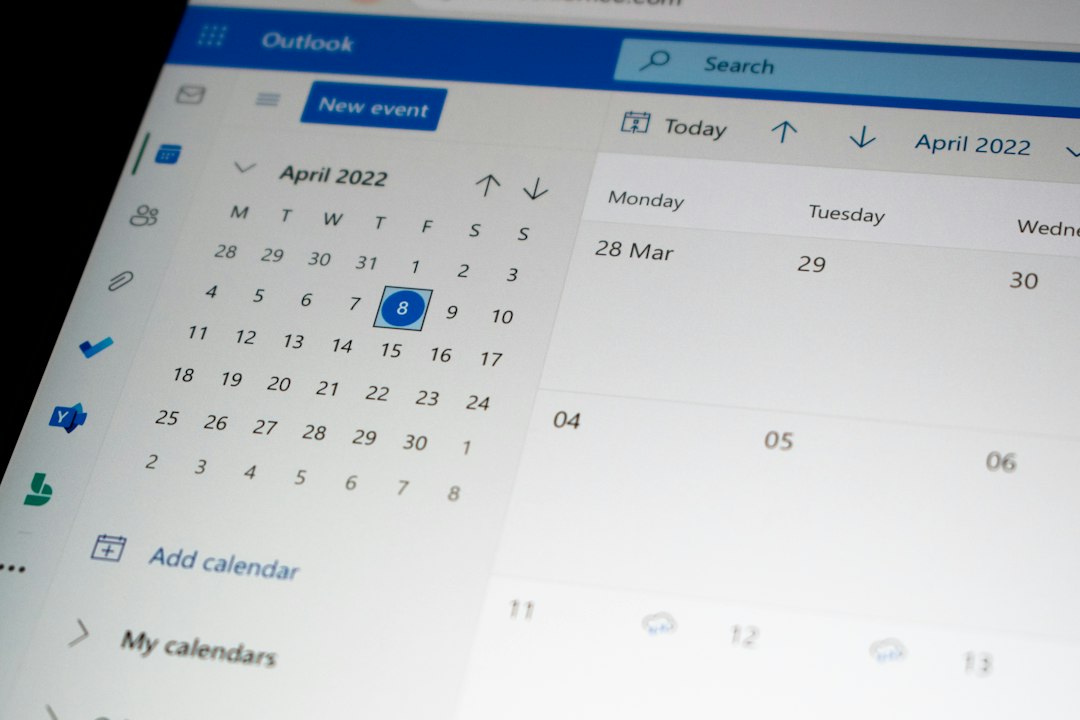
System integration is critical for hands-off scheduling. The voice agent must connect via API to tools like Google Calendar, Outlook Calendar, electronic medical records, or CRM systems.
Handling patient information requires privacy safeguards. Look for automated redaction of personal details in transcripts and compliance with Japan's Act on the Protection of Personal Information. The Voisu team handles customization and implementation, making deployment practical even without in-house technical staff.
Questions
Can elderly patients use a clinic phone booking system?
Yes. Callers speak naturally instead of navigating touch-tone menus, allowing older patients unfamiliar with smartphones to complete reservations easily.
Can our clinic keep our existing phone number?
Yes. You can keep your existing phone number or issue a new dedicated line for automated reception.
How are emergency calls or medical symptom questions handled?
Calls route directly to clinic staff. If a caller requests a person or reports urgent symptoms, the call passes to staff along with a conversation summary.
What does clinic phone automation cost?
Pricing depends on the provider. Voisu charges no monthly base fee; usage starts from ¥25 per minute for AI-only incoming calls and ¥30 per minute with a phone line included (excluding tax).
Can the system integrate with electronic medical records or web booking tools?
Yes, if the software provides an API. Voisu connects with Google Calendar, Outlook Calendar, kintone, Salesforce, and custom medical systems through standard APIs.
Share