
Redelivery Phone Calls: How to Automate Logistics by AI
Handling redelivery phone calls strains logistics teams during peak evening hours. Learn how AI phone agents automate tracking updates and reduce call costs.


Contents
- Why do redelivery phone calls strain logistics teams?
- How much of the redelivery call process can an AI phone agent handle?
- How does conversational AI differ from traditional touch-tone IVR?
- How do logistics operations set up an AI phone agent?
- How much do costs change when automating redelivery calls?
- How can operations handle abusive callers and customer harassment?
Redelivery calls overwhelm depot staff and delivery drivers, especially during peak evening hours when customers return home. Misheard tracking numbers and manual lookups slow down operations. This guide covers how an AI phone agent automates tracking confirmation, updates logistics systems in real time, and lowers operating costs.
Why do redelivery phone calls strain logistics teams?
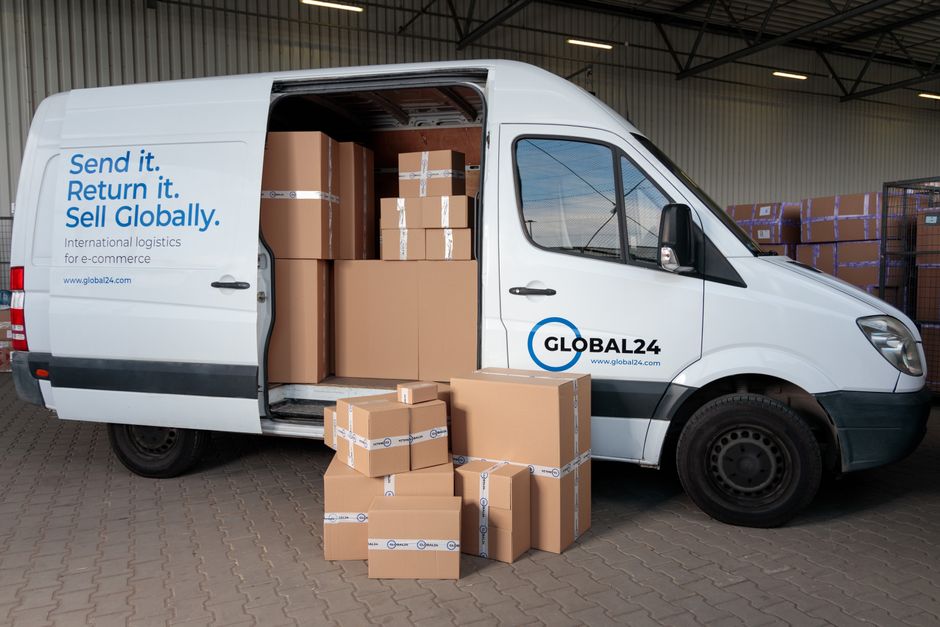
Evening call surges and misheard slip numbers pull staff away from sorting, loading, and delivery duties. Redelivery calls tend to cluster in the evening after people get home. Depots are already busy sorting night deliveries and processing returned parcels, leaving few or no workers to answer phones.
Capturing 10- to 12-digit tracking numbers over poor mobile connections is difficult. Background noise and low signal quality lead to repeated clarification questions. A single wrong digit searches for another customer's package, wasting several minutes per call.
Unrealistic customer requests also disrupt standard procedures. Callers demand delivery within 30 minutes or ask for the driver's direct mobile number. Explaining standard policies can trigger disputes that make calls run long.
When drivers answer incoming calls while on the road, they must stop the vehicle and interrupt deliveries. Finding packages while handling phone inquiries causes compounding delays across the day's schedule.
How much of the redelivery call process can an AI phone agent handle?
An AI phone agent can verify tracking numbers, update delivery dates in management software, and send SMS or LINE confirmations during the call. Natural language processing captures spoken tracking numbers and queries delivery tracking databases instantly. The system checks parcel status and location while the caller is still on the line.
Callers can request changes in natural phrases such as "tomorrow morning" or "Friday after 6 PM." The AI interprets these terms, verifies open delivery slots in real time, and confirms the new window.
Once the schedule updates, the system sends a confirmation message to the caller's phone via SMS or LINE. Written notifications provide clear proof of the agreed time and prevent disputes.
In logistics and delivery, call details and summaries sync automatically with CRMs and internal systems. Transcripts and summary notes save to each tracking record, removing the need for staff or drivers to write manual logs.
How does conversational AI differ from traditional touch-tone IVR?
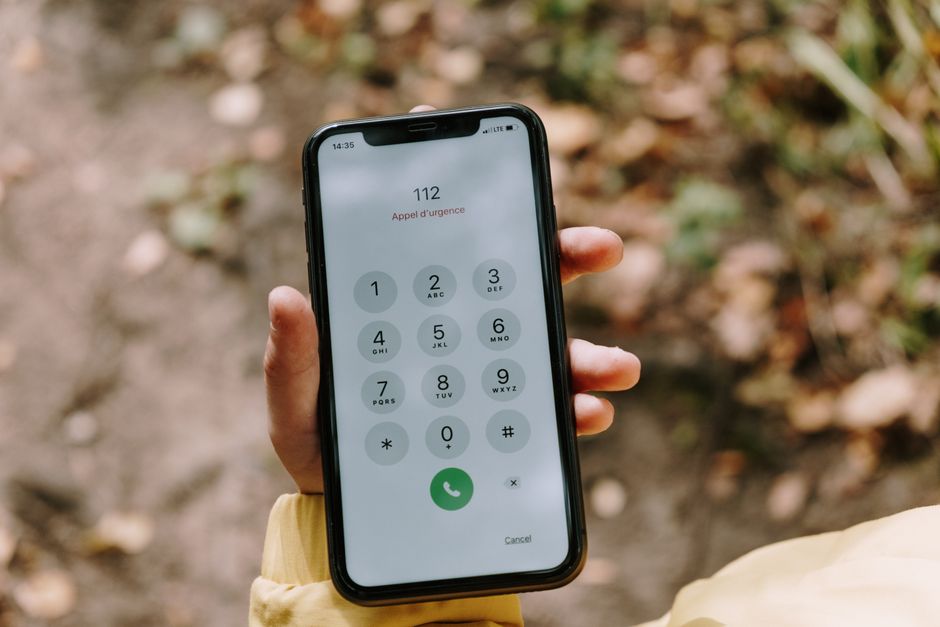
Callers complete their request using ordinary speech without listening to long dial menus or hanging up in frustration. Traditional interactive voice response (IVR) systems require callers to wait through prompts like "press 1 for redelivery, press 2 for time changes."
Typing a long tracking number on a phone keypad presents a high barrier for elderly callers or anyone unfamiliar with complex smartphone menus. A single mistyped digit often resets the menu back to the beginning, prompting frustrated callers to hang up and call human operators instead.
A conversational AI agent understands intent even if the caller interrupts: "I need to reschedule the parcel that arrived yesterday." Callers simply read the tracking number printed on their delivery notice out loud.
Callers do not need to look at their screens. Anyone cooking, working around the house, or multitasking can finish the scheduling process just by speaking into the phone.
How do logistics operations set up an AI phone agent?
Teams start by defining cut-off times for same-day redelivery and setting escalation rules for live staff. Delivery rules, such as same-day request cutoffs and valid delivery windows, are mapped out first. AI agents operate strictly within set rules and automatically decline requests that fall outside permitted hours.
Next, the system connects via API to parcel tracking databases or management tools like kintone. The AI reads and writes parcel records using the tracking number as the lookup key. Teams can allow full automation or require manager approval for specific exceptions.
Clear handoff triggers must also be established. If a customer asks to hold a package at a depot, reports damaged goods, or asks for a person, the AI transfers the call to depot staff. The agent forwards an automated call summary so staff can take over without asking the caller to repeat details.
Rollouts should begin with one specific workflow, such as dedicated redelivery intake or after-hours coverage, before expanding. Setup and customization are handled directly by the Voisu team. You can see how the interface and workflow work by booking a demo.
How much do costs change when automating redelivery calls?

Call costs drop from about ¥105 per minute for human operators to as low as ¥25 per minute with an AI phone agent. Hiring internal staff or outsourcing to a contact center typically costs around ¥105 per minute once labor and management overhead are included.
Voisu charges no monthly base fee. Pricing uses a pay-as-you-go model. Inbound calls start from ¥25 per minute for AI-only and ¥30 per minute with a phone line included. Outbound calls start from ¥40 per minute for AI-only and ¥50 per minute with a phone line included (prices exclude tax).
Companies can keep their existing phone numbers or obtain new lines. For example, 500 inbound calls per month averaging three minutes each cost around ¥157,500 under traditional staffing. An AI phone agent at ¥25 per minute handles the same volume for ¥37,500 plus tax, saving roughly ¥120,000 monthly.
Logistics call volumes fluctuate heavily between regular months and seasonal gift periods. Because there is no base fee, operations handle high holiday volume without hiring seasonal operators or taking on fixed costs. Full details appear on the pricing page.
How can operations handle abusive callers and customer harassment?
Emotion analysis detects signs of aggression early, while automated transcripts preserve an objective record of every conversation. Redelivery calls often involve frustrated callers venting anger over delivery delays or driver interactions. Direct verbal abuse is a primary cause of turnover among office staff and drivers.
Voisu includes emotion and customer-satisfaction analysis on every call at no extra cost. The system tracks voice tone and phrasing to identify anger immediately, flagging problematic calls on the dashboard. Personal information is automatically hidden in transcripts, protecting privacy under Japanese regulations.
Legal preparation is also required. Under revised labor legislation, customer harassment prevention measures have applied to all employers since October 1, 2026. Companies must establish reporting channels and set clear policies for handling unreasonable demands.
When an AI handles hostile callers, it repeats company rules calmly and prevents emotional stress on staff. Management receives automated summaries and transcripts to review facts quickly. For more details on organizational defenses, read our guide on customer harassment.
Questions
Can the AI accurately understand spoken tracking numbers?
Yes. The AI uses speech recognition tuned for continuous digit strings. If background noise or rapid speech causes ambiguity, it asks the caller to repeat only the unclear digits.
Can the AI handle same-day and next-day redelivery outside business hours?
Yes, it operates 24/7. If a call arrives after the same-day cut-off time, the AI follows company delivery rules and offers available slots starting the next day.
Can calls be transferred to staff for depot pickups or driver contact requests?
Yes. When callers ask for human assistance or make complex requests, the AI puts the call on hold and transfers it to depot staff along with a written summary.
How does the AI phone agent integrate with logistics management systems?
It connects via API. It integrates with platforms like Salesforce, HubSpot, and kintone, as well as proprietary logistics software with API support, updating records during the call.
Can we use our current phone number for automated redelivery intake?
Yes. You can keep your existing phone number or set up a new dedicated number for redelivery calls.
Share