Customer Harassment Rules: Protecting Phone Teams with AI
Japan makes customer harassment measures mandatory by October 2026. Learn how AI front-line screening shields call staff from abuse and cuts support costs.

Contents
- What Legal Duties Apply to Call Centers Under Japan's 2026 Harassment Law?
- Why Traditional Phone Harassment Manuals Fail in Practice
- How to Build a Defense System That Shields Staff from Abusive Calls
- How AI Phone Agents Balance Harassment Defense and Operational Efficiency
- What Does an Anti-Harassment Phone System Cost to Run?
- Which Call Center Workflows Should You Protect First?
Revised under the Labor Policy Comprehensive Promotion Act, customer-harassment measures become mandatory for all employers in Japan on October 1, 2026. Relying on staff endurance or basic manuals cannot prevent turnover or legal exposure. Contact centers need structural defenses in their phone systems. This guide explains how to separate first-line call intake, shield employees from abusive callers, and manage costs effectively.
What Legal Duties Apply to Call Centers Under Japan's 2026 Harassment Law?
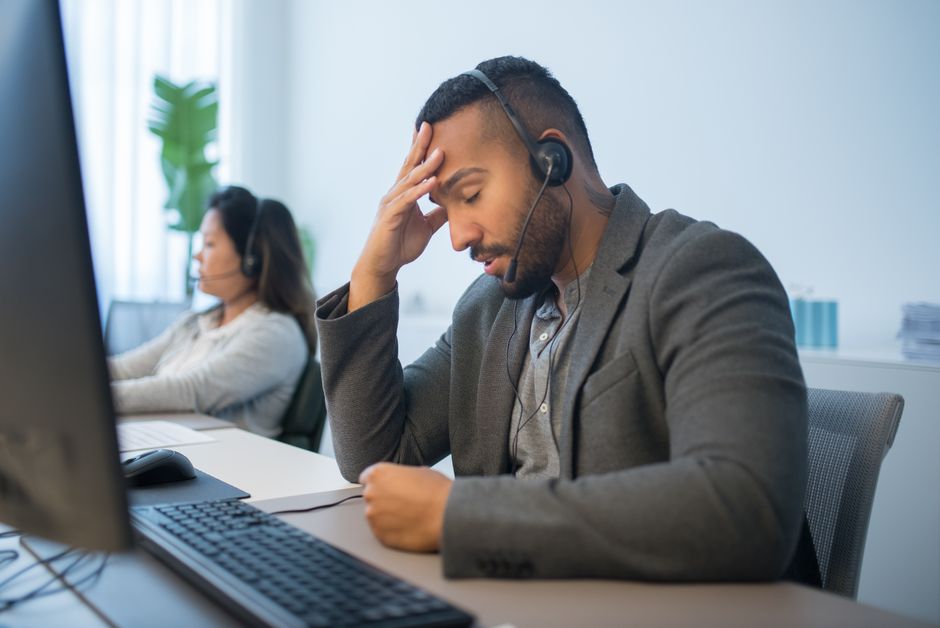
Japan's revised Labor Policy Comprehensive Promotion Act requires all employers to implement protective measures against verbal abuse and excessive demands. What was previously a best-effort duty is now a mandatory legal obligation. It applies to all businesses, including large enterprises, mid-size companies, and sole proprietors.
Employers must take three specific steps: clarify and communicate a basic anti-harassment policy, set up consultation desks with clear escalation procedures, and support affected employees afterward. For call operations, common violations include aggressive scolding, personal insults, and repeated demands that hold staff on the line for hours.
If unaddressed abuse leads to mental health issues, employers face liability for breaching their duty of care. Simply advising staff to stay calm does not satisfy the law. Companies must record calls and establish objective criteria for abusive conduct.
Start by defining unacceptable behaviors on the phone and giving staff a safe, authorized process to end abusive calls. Front-line setups must shift from individual endurance to organization-level protection.
Why Traditional Phone Harassment Manuals Fail in Practice
Leaving the decision to hang up on an abusive caller to front-line operators causes these policies to fail. Operators under direct attack often hesitate out of fear or concern for company reputation, allowing abusive calls to drag on.
Staff fear provoking further anger or being blamed by supervisors for poor handling. Standard manual instructions—such as warning the caller and terminating the call if abuse continues—are almost impossible to execute under severe stress.
After hanging up, without objective call logs, internal reviews often devolve into debates over who was at fault. This creates secondary trauma, driving sudden leaves of absence and rapid turnover.
Effective customer harassment policies must remove the burden of personal bravery. The power to flag or disconnect abusive callers must be automated by systems that capture objective records.
How to Build a Defense System That Shields Staff from Abusive Calls
Setting up a two-tier intake model prevents abusive words from ever reaching an operator's ears. Instead of routing external calls straight to human agents, an automated system handles the first contact and transfers only qualified calls to staff.
At the start of the call, an AI agent identifies the caller's intent, collects their name and contact details, and logs the inquiry. Callers speaking to an automated voice often de-escalate, focusing on facts rather than venting emotions.
If a caller continues using aggressive language or makes unreasonable demands, the system plays a warning message and terminates the call based on preset rules. This physically prevents employees from facing verbal abuse.
When a human response is genuinely required, staff receive a clean call summary beforehand. Seeing the context in advance lets operators prepare mentally and handle the customer with composure.
How AI Phone Agents Balance Harassment Defense and Operational Efficiency
Automating routine inquiries while scoring call sentiment allows contact centers to defend staff and raise productivity at the same time. Voisu, an AI phone agent for call centers by LOGISTICAL K.K., answers incoming calls 24/7 in a calm tone and replies in the caller's language.
The AI agent completes tasks in internal business systems during the call—such as bookings, order changes, and re-delivery requests. It then sends confirmations via SMS or LINE, drastically cutting total call volumes for human staff.
Voisu includes transcription, summarization, emotion analysis, and customer satisfaction scoring on every call at no extra cost. Personal details are hidden automatically in transcripts, maintaining compliance with Japan's Act on the Protection of Personal Information and the Act on Specified Commercial Transactions.
Callers can ask for a person at any time. When this happens, the call transfers to staff with an instant summary. Operators can review any previous friction, avoiding repetitive questions and lowering mental stress.
What Does an Anti-Harassment Phone System Cost to Run?
While a human call center operator costs about ¥105/min, an AI phone agent handles first-line intake starting from ¥25/min (excluding tax). You can deploy protection on a pure pay-as-you-go model with no monthly base fee.
Using the AI agent without a new phone line costs ¥25/min for incoming calls and ¥40/min for outgoing calls. When bundled with a phone line, rates are ¥30/min incoming and ¥50/min outgoing.
Businesses can keep their existing phone number or use a new one, eliminating the need to replace entire phone infrastructures. With Voisu's pricing model requiring zero base fees, mid-size businesses and seasonal operations can establish anti-harassment safeguards without heavy fixed overhead.
Paying full operator wages for unshielded staff leads to turnover and expensive re-hiring when abuse occurs. Per-minute AI intake protects operating budgets while meeting statutory safety requirements.
Which Call Center Workflows Should You Protect First?
Begin with a single workflow that has clear, structured intake rules rather than overhauling the entire phone operation at once. Automating every call from day one complicates exception handling and delays staff adoption.
Ideal starting points include business hours inquiries, location directions, booking changes, and re-delivery requests. AI agents act only within strict client rules; you decide which actions require human approval, making initial rollout safe and controlled.
The Voisu team handles customization, integrations, and setup. It connects with major CRM tools including Salesforce, HubSpot, kintone, and Zendesk, alongside Google Calendar, Outlook Calendar, and custom APIs.
After confirming AI accuracy and harassment reduction in one workflow, expand to order intake or contract updates. A phased approach safeguards staff without overwhelming daily operations.
Questions
How long should an abusive call last before staff can hang up?
The law does not specify a minute limit, but many companies set internal limits around 10 to 15 minutes. If a caller repeats unreasonable demands or uses abusive language, staff should deliver a standard warning and end the call promptly, regardless of duration.
What are the penalties for violating Japan's mandatory harassment measures?
The revised Labor Policy Comprehensive Promotion Act does not impose direct criminal penalties. However, non-compliant companies face public naming by labor authorities and civil liability if harmed employees sue for breach of duty of care.
Is it illegal to hang up on a customer engaging in harassment?
Disconnecting after a formal warning is not illegal when dealing with verbal abuse, threats, or disruptive demands. Retaining objective evidence, such as call recordings and transcripts, is essential to resolve post-call disputes.
Do small and mid-size businesses have to comply with the harassment law?
Yes. Starting October 1, 2026, all employers—including mid-size businesses, small firms, and sole proprietors—must comply. There is no grace period based on company size.
Does an AI phone agent actually reduce abusive calls?
Yes. Moving first-line intake to an AI system drastically cuts staff exposure to raw verbal abuse. Many hostile callers abandon unreasonable demands when speaking to an objective automated agent, easing the team's mental burden.
Share